
Objaśnienie
Długie przymiotniki (dwie lub więcej sylab, poza zakończonymi na -y) nie przyjmują -er / -est. Przed nimi stawiamy more lub most: more beautiful, the most beautiful. Kilka częstych przymiotników jest nieregularnych i trzeba je zapamiętać: good – better – best, bad – worse – worst, far – farther/further – farthest/furthest.
Budowa
| Schemat | Przykład |
|---|---|
| more + adjective + than (2+ syllables) | more interesting than |
| the most + adjective | the most interesting |
| good → better → the best · bad → worse → the worst · far → farther/further → the farthest/furthest | My English is better now. |
Kiedy tego używamy
- Porównanie: Travelling by train is more relaxing than driving. (Podróż pociągiem jest bardziej relaksująca niż jazda samochodem.)
- Stopień najwyższy: It's the most popular dish on the menu. (To najpopularniejsze danie w menu.)
- Porównanie negatywne: less / the least: This is less important. (To mniej ważne.)
- Formy nieregularne: Her English is better than mine. That was the worst film ever.
Przykłady
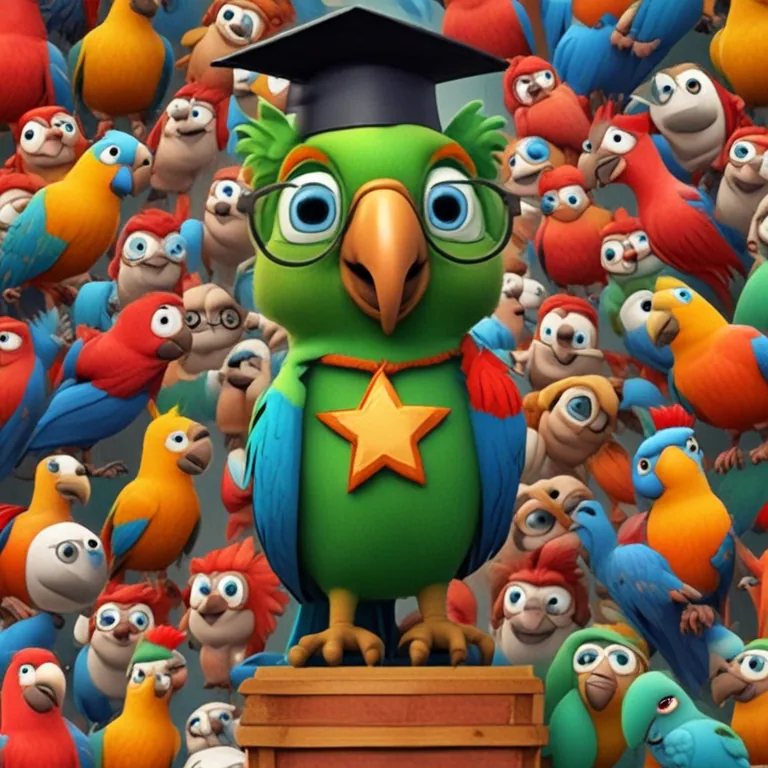
Jest najlepszą uczennicą w klasie.
- This book is more interesting than that one.
Ta książka jest ciekawsza od tamtej. - She is the best student in the class.
Jest najlepszą uczennicą w klasie. - Today's weather is worse than yesterday's.
Dzisiejsza pogoda jest gorsza niż wczorajsza. - It is the most expensive car in the shop.
To najdroższy samochód w sklepie. - Is the train faster or more comfortable?
Czy pociąg jest szybszy czy wygodniejszy? - He is less tall than his brother.
Jest niższy od brata.
Typowe błędy
- Podwójny stopień: more better, most best → better, best.
- -er przy długich: beautifuler → more beautiful.
- Brak „than”: more interesting that → more interesting than.
- gooder / badder → better / worse.
Sprawdź się
Trzy szybkie pytania z tego tematu. Odpowiedzi sprawdzamy od razu na stronie.
Stukaj w słowa we właściwej kolejności