
En bref
Les adjectifs longs (deux syllabes ou plus, sauf ceux en -y) ne prennent pas -er / -est. On place more ou most devant : more beautiful, the most beautiful. Quelques adjectifs courants sont irréguliers et doivent être appris : good – better – best, bad – worse – worst, far – farther/further – farthest/furthest.
Formation
| Structure | Exemple |
|---|---|
| more + adjective + than (2+ syllables) | more interesting than |
| the most + adjective | the most interesting |
| good → better → the best · bad → worse → the worst · far → farther/further → the farthest/furthest | My English is better now. |
Quand l'utiliser
- Comparer : Travelling by train is more relaxing than driving.
- Superlatif : It's the most popular dish on the menu.
- Comparaison négative : less / the least : This is less important.
- Formes irrégulières : Her English is better than mine. That was the worst film ever.
Exemples
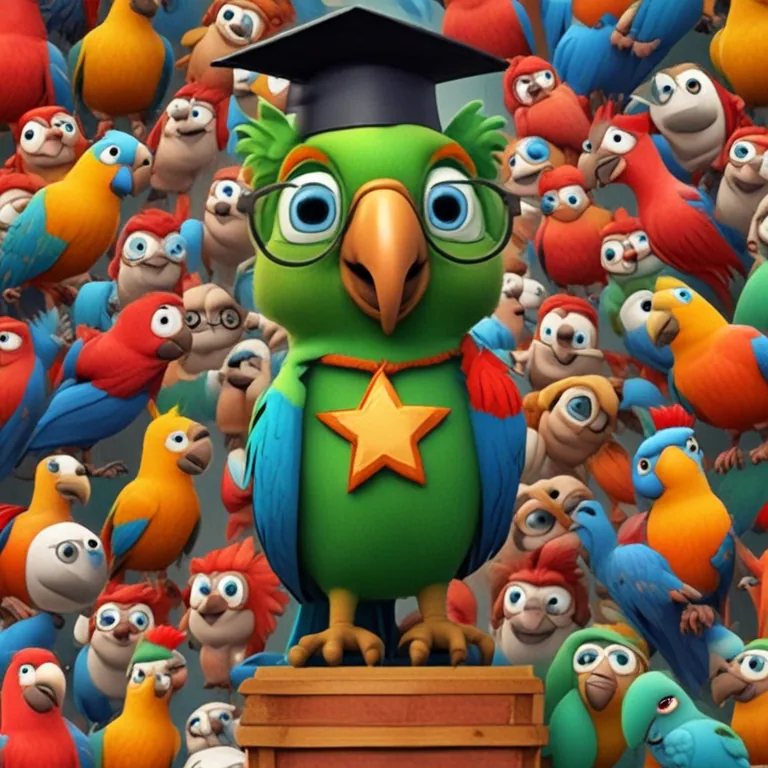
C'est la meilleure élève de la classe.
- This book is more interesting than that one.
Ce livre est plus intéressant que celui-là. - She is the best student in the class.
C'est la meilleure élève de la classe. - Today's weather is worse than yesterday's.
Le temps d'aujourd'hui est pire que celui d'hier. - It is the most expensive car in the shop.
C'est la voiture la plus chère du magasin. - Is the train faster or more comfortable?
Le train est-il plus rapide ou plus confortable ? - He is less tall than his brother.
Il est moins grand que son frère.
Erreurs fréquentes
- Double comparatif : more better, most best → better, best.
- -er sur des adjectifs longs : beautifuler → more beautiful.
- « Than » oublié : more interesting that → more interesting than.
- « Gooder / badder » → better / worse.
Essayez vous-même
Trois questions rapides sur ce point. Les réponses sont vérifiées ici même.
Touchez les mots dans le bon ordre