
En breve
Los pronombres reflexivos terminan en -self (singular) o -selves (plural). Los usamos cuando el sujeto y el complemento son la misma persona (She cut herself) y para dar énfasis (I did it myself).
Formación
| Estructura | Ejemplo |
|---|---|
| myself · yourself · himself · herself · itself | I cut myself. |
| ourselves · yourselves · themselves | They enjoyed themselves. |
| by + reflexive = alone | I live by myself. |
Cuándo se usa
- Sujeto = complemento: He hurt himself.
- Énfasis: I painted the room myself.
- Con «by»: by myself = solo, sin ayuda.
- Verbos que en inglés no necesitan reflexivo: wash, shave, dress, relax, feel (He washed, no he washed himself, en el uso normal).
Ejemplos
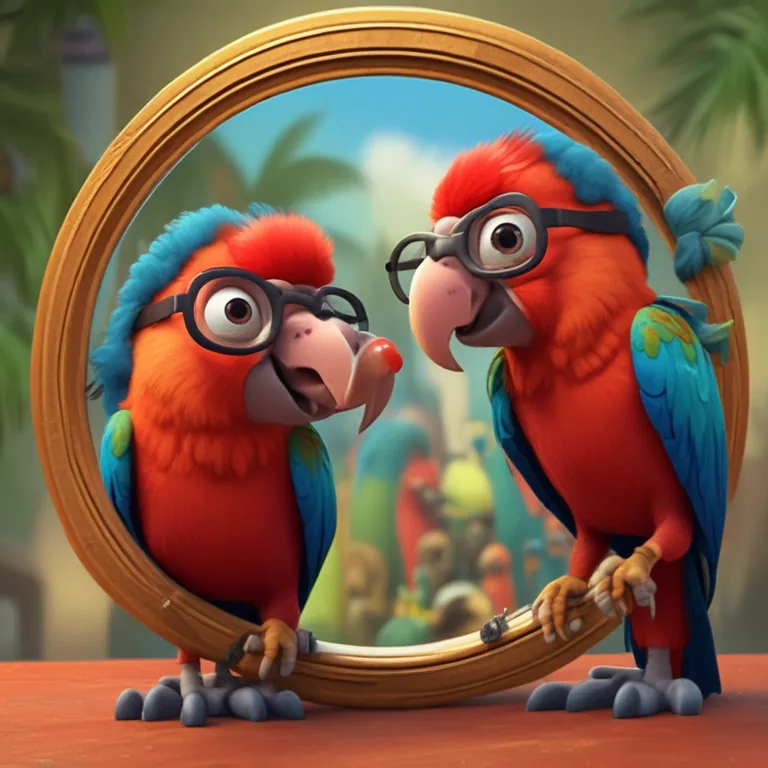
Se miró en el espejo.
- I taught myself to play the guitar.
Aprendí a tocar la guitarra por mi cuenta. - She looked at herself in the mirror.
Se miró en el espejo. - Be careful or you'll hurt yourself.
Ten cuidado o te harás daño. - We enjoyed ourselves at the party.
Lo pasamos muy bien en la fiesta. - He made the cake himself.
Hizo el pastel él mismo. - They live by themselves.
Viven solos.
Errores frecuentes
- Usar un reflexivo con verbos que no lo necesitan: I feel myself tired → I feel tired.
- Mezclar singular y plural: themself, ourself → themselves, ourselves.
- Usar un pronombre personal cuando sujeto = complemento: She saw her in the mirror → She saw herself in the mirror.
Pruébalo tú mismo
Tres preguntas rápidas sobre este tema. Las respuestas se comprueban aquí mismo.
Toca las palabras en el orden correcto