
In breve
I pronomi riflessivi terminano in -self (singolare) o -selves (plurale). Si usano quando soggetto e complemento sono la stessa persona (She cut herself) e per dare enfasi (I did it myself).
Formazione
| Struttura | Esempio |
|---|---|
| myself · yourself · himself · herself · itself | I cut myself. |
| ourselves · yourselves · themselves | They enjoyed themselves. |
| by + reflexive = alone | I live by myself. |
Quando si usa
- Soggetto = complemento: He hurt himself.
- Enfasi: I painted the room myself.
- Con “by”: by myself = da solo, senza aiuto.
- Verbi che in inglese di norma non vogliono il riflessivo: wash, shave, dress, relax, feel (He washed, non he washed himself, nell'uso normale; in italiano invece si dice «si è lavato»).
Esempi
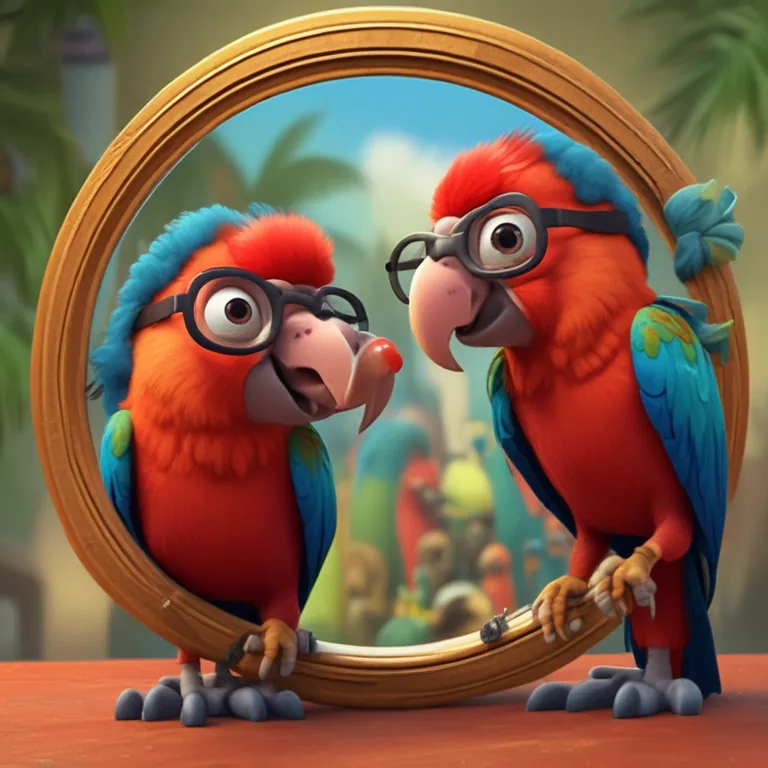
Si è guardata allo specchio.
- I taught myself to play the guitar.
Ho imparato a suonare la chitarra da solo. - She looked at herself in the mirror.
Si è guardata allo specchio. - Be careful or you'll hurt yourself.
Stai attento o ti farai male. - We enjoyed ourselves at the party.
Ci siamo divertiti alla festa. - He made the cake himself.
La torta l'ha fatta lui stesso. - They live by themselves.
Vivono da soli.
Errori comuni
- Usare il riflessivo con verbi che non lo richiedono: I feel myself tired → I feel tired.
- Confondere singolare e plurale: themself, ourself → themselves, ourselves.
- Usare un pronome personale quando soggetto = complemento: She saw her in the mirror → She saw herself in the mirror.
Mettiti alla prova
Tre domande veloci su questo argomento. Le risposte si controllano qui.
Tocca le parole nell'ordine giusto