
In breve
“One” e “ones” sostituiscono un nome già menzionato, così non dobbiamo ripeterlo. One sta per un nome numerabile singolare e ones per uno plurale. Si usano spesso dopo un aggettivo, dopo “this / that” o dopo “which”.
Formazione
| Struttura | Esempio |
|---|---|
| adjective + one (singular) | the red one |
| adjective + ones (plural) | the blue ones |
| which one / which ones? | Which one do you want? |
Quando si usa
- Dopo un aggettivo: a big house and a small one.
- Dopo this / that / these / those: I prefer this one.
- Nelle domande: Which one do you like?
- Dopo un quantificatore: I lost my pen, so I need a new one.
Esempi
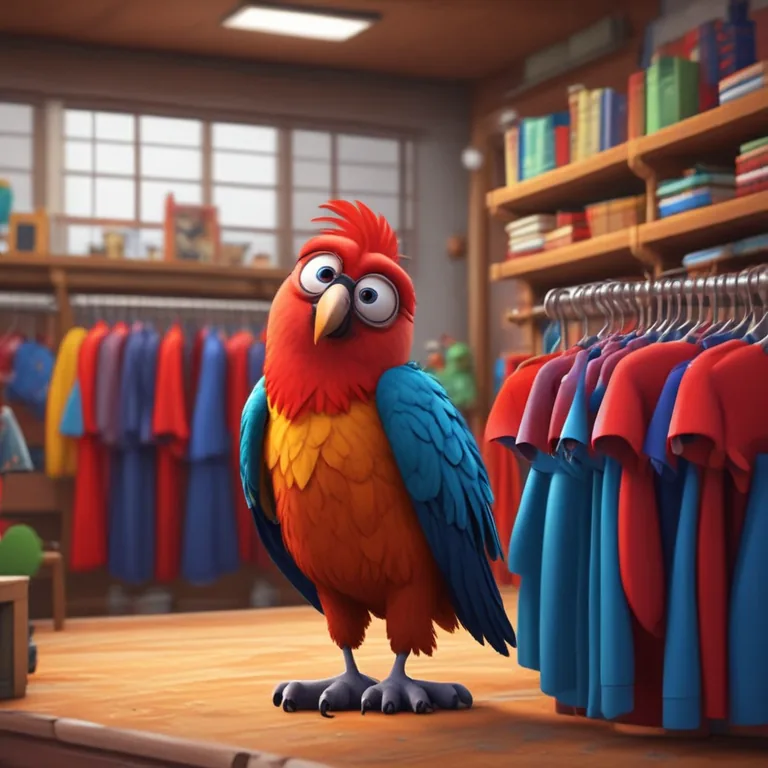
Mi piace la camicia rossa, non quella blu.
- I like the red shirt, not the blue one.
Mi piace la camicia rossa, non quella blu. - These shoes are nicer than those ones.
Queste scarpe sono più belle di quelle. - Which one is yours?
Qual è il tuo? - I need a pen. Have you got one?
Mi serve una penna. Ne hai una? - My old phone broke, so I bought a new one.
Il mio vecchio telefono si è rotto, così ne ho comprato uno nuovo. - Do you like these apples or the green ones?
Ti piacciono queste mele o quelle verdi?
Errori comuni
- Usare one con i nomi non numerabili: I like this water, not that one → not that water / not that.
- Usare “ones” senza determinante o aggettivo: I like ones → I like the red ones.
- Ripetere il nome: I like the red shirt, not the blue shirt → the blue one.
Mettiti alla prova
Tre domande veloci su questo argomento. Le risposte si controllano qui.
Tocca le parole nell'ordine giusto