
Explanation
“One” and “ones” replace a noun that we have already mentioned, so we do not have to repeat it. One stands for a singular countable noun and ones for a plural one. They are often used after an adjective, “this / that” or “which”.
Form
| Structure | Example |
|---|---|
| adjective + one (singular) | the red one |
| adjective + ones (plural) | the blue ones |
| which one / which ones? | Which one do you want? |
When to use it
- After an adjective: a big house and a small one.
- After this / that / these / those: I prefer this one.
- In questions: Which one do you like?
- After a quantifier: I lost my pen, so I need a new one.
Examples
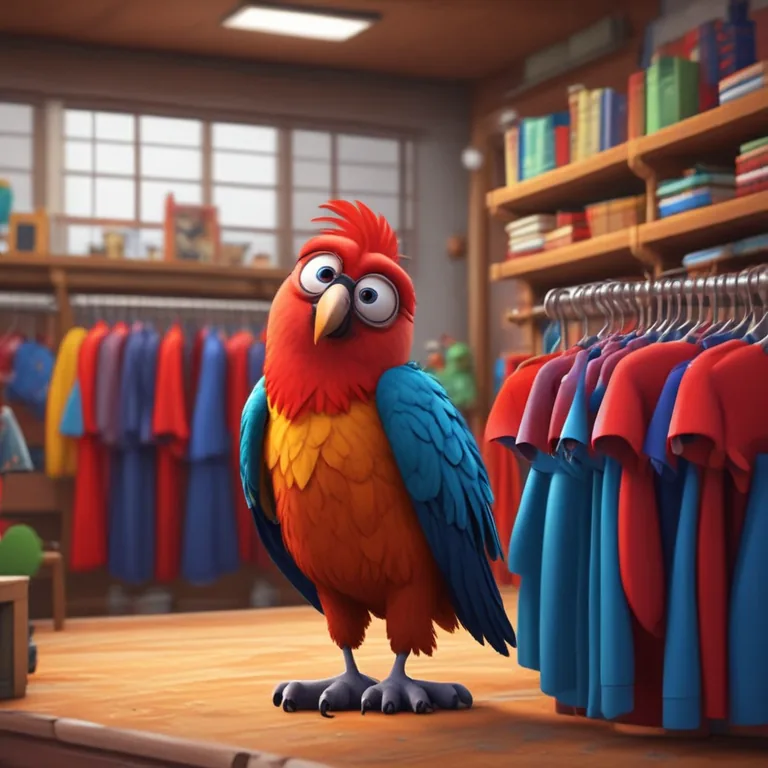
- I like the red shirt, not the blue one.
- These shoes are nicer than those ones.
- Which one is yours?
- I need a pen. Have you got one?
- My old phone broke, so I bought a new one.
- Do you like these apples or the green ones?
Common mistakes
- Using one for uncountable nouns: I like this water, not that one → not that water / not that.
- Using “ones” without a determiner or adjective: I like ones → I like the red ones.
- Repeating the noun: I like the red shirt, not the blue shirt → the blue one.
Try it yourself
Three quick questions on this point. Answers are checked right here.
Tap the words in the right order