
Explanation
Reflexive pronouns end in -self (singular) or -selves (plural). We use them when the subject and the object are the same person (She cut herself) and to add emphasis (I did it myself).
Form
| Structure | Example |
|---|---|
| myself · yourself · himself · herself · itself | I cut myself. |
| ourselves · yourselves · themselves | They enjoyed themselves. |
| by + reflexive = alone | I live by myself. |
When to use it
- Subject = object: He hurt himself.
- Emphasis: I painted the room myself.
- With “by”: by myself = alone, without help.
- Verbs that need no reflexive in English: wash, shave, dress, relax, feel (He washed, not he washed himself, in normal use).
Examples
- I taught myself to play the guitar.
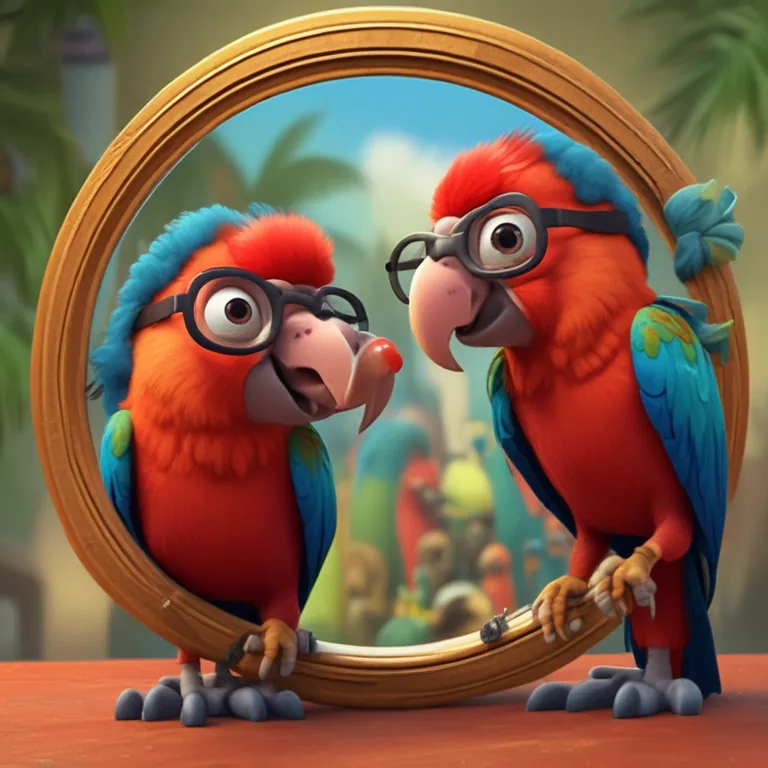
- She looked at herself in the mirror.
- Be careful or you'll hurt yourself.
- We enjoyed ourselves at the party.
- He made the cake himself.
- They live by themselves.
Common mistakes
- Using a reflexive with verbs that don’t need one: I feel myself tired → I feel tired.
- Mixing singular and plural: themself, ourself → themselves, ourselves.
- Using a personal pronoun when subject = object: She saw her in the mirror → She saw herself in the mirror.
Try it yourself
Three quick questions on this point. Answers are checked right here.
Tap the words in the right order