
In breve
Il Past Continuous descrive un'azione che era in corso in un momento del passato. Si forma con was / were + verbo-ing. Serve a creare lo sfondo di un racconto e spesso si combina con il Past Simple per l'evento che ha interrotto l'azione.
| Persona | Forma |
|---|---|
| I | was working |
| you (tu) | were working |
| he / she / it | was working |
| we | were working |
| you (voi) | were working |
| they | were working |
Formazione
| Struttura | Esempio |
|---|---|
| subject + was/were + verb-ing | I was reading. They were playing. |
| subject + was/were + not + verb-ing | She wasn't sleeping. |
| Was/Were + subject + verb-ing? | What were you doing at nine? |
Quando si usa
- Un'azione in corso in un momento del passato: At nine I was having breakfast.
- Un'azione interrotta: I was walking home when it started to rain.
- Due azioni contemporanee: She was reading while he was cooking.
- Lo sfondo di un racconto: The sun was shining and birds were singing.
Esempi
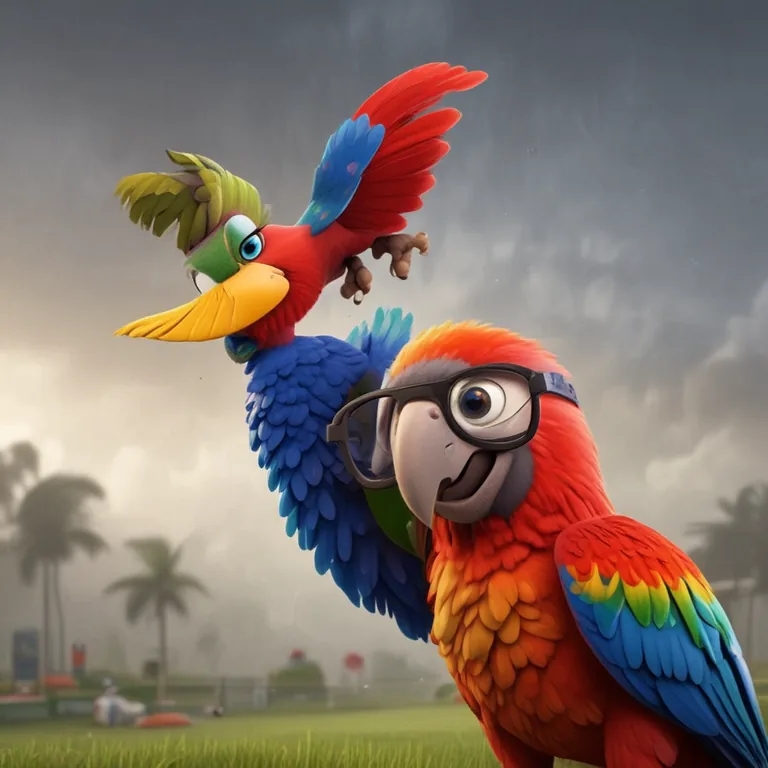
Stavano giocando quando ha cominciato a piovere.
- I was watching TV at eight.
Alle otto guardavo la TV. - They were playing when it started to rain.
Stavano giocando quando ha cominciato a piovere. - She wasn't listening to the teacher.
Non stava ascoltando l'insegnante. - What were you doing yesterday at six?
Che cosa stavi facendo ieri alle sei? - It was snowing all morning.
Ha nevicato tutta la mattina. - While I was cooking, he set the table.
Mentre io cucinavo, lui apparecchiava la tavola.
Errori comuni
- Usarlo per un evento breve e concluso: I was breaking the glass → I broke the glass.
- Confondere “when” e “while”: while + azione lunga, when + evento breve.
- Omettere “was/were”: I watching → I was watching.
Mettiti alla prova
Tre domande veloci su questo argomento. Le risposte si controllano qui.
Tocca le parole nell'ordine giusto